The Chicano Mural Movement at Stanford
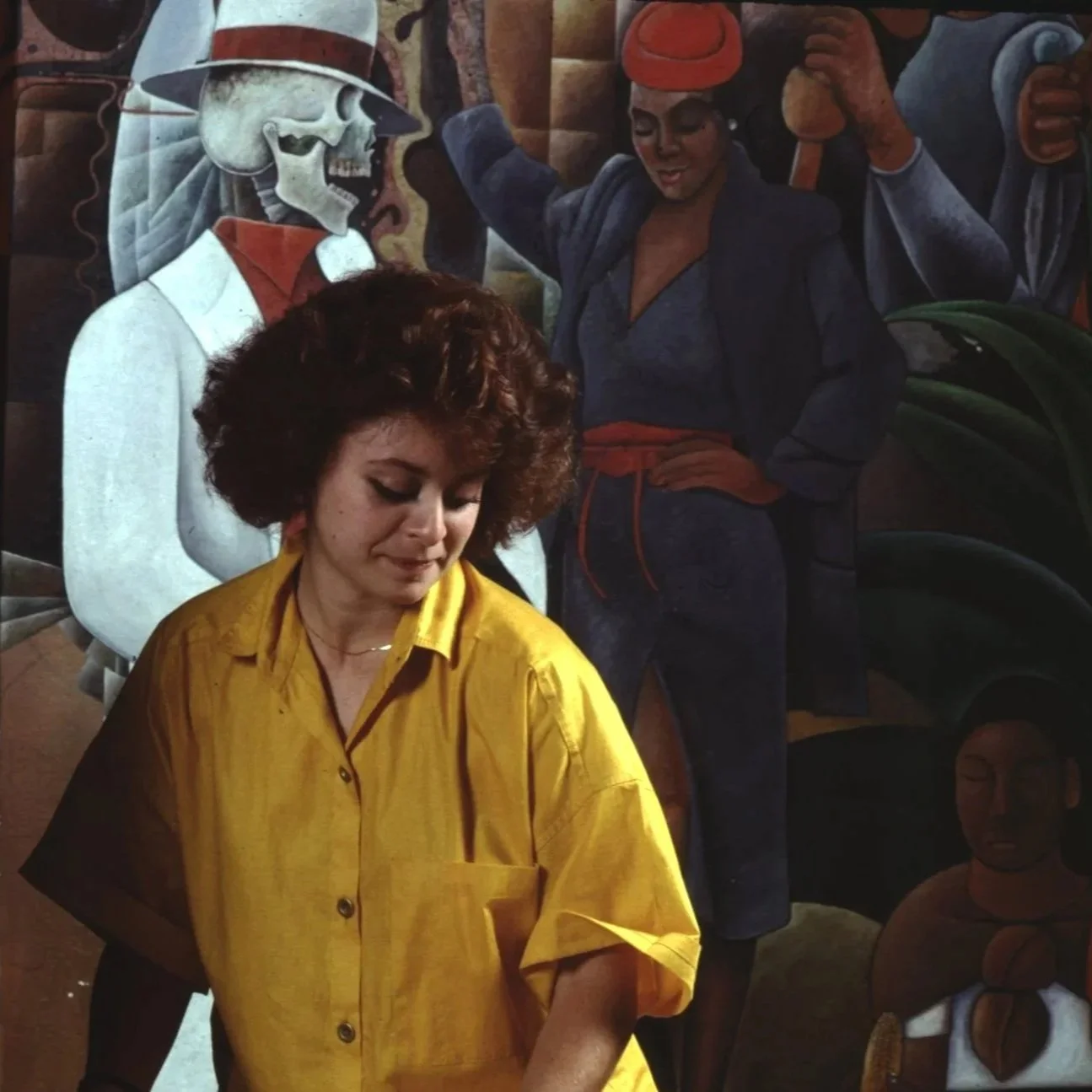
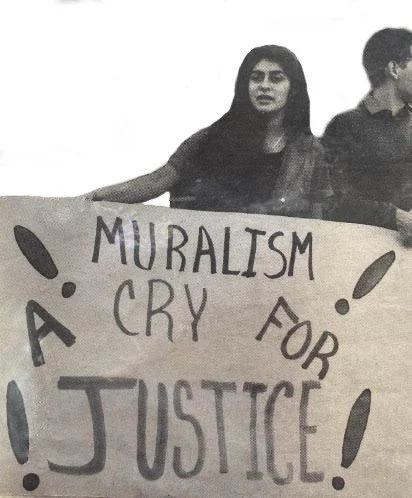
Dr. Rose Salseda’s manuscript, Muralism, A Cry For Justice: Art, Activism, and the Struggle for Humanity, recovers the dynamic 50-year mural-making legacy to ensure that its impact on education, the arts, and students is remembered, respected, and valued for generations to come.
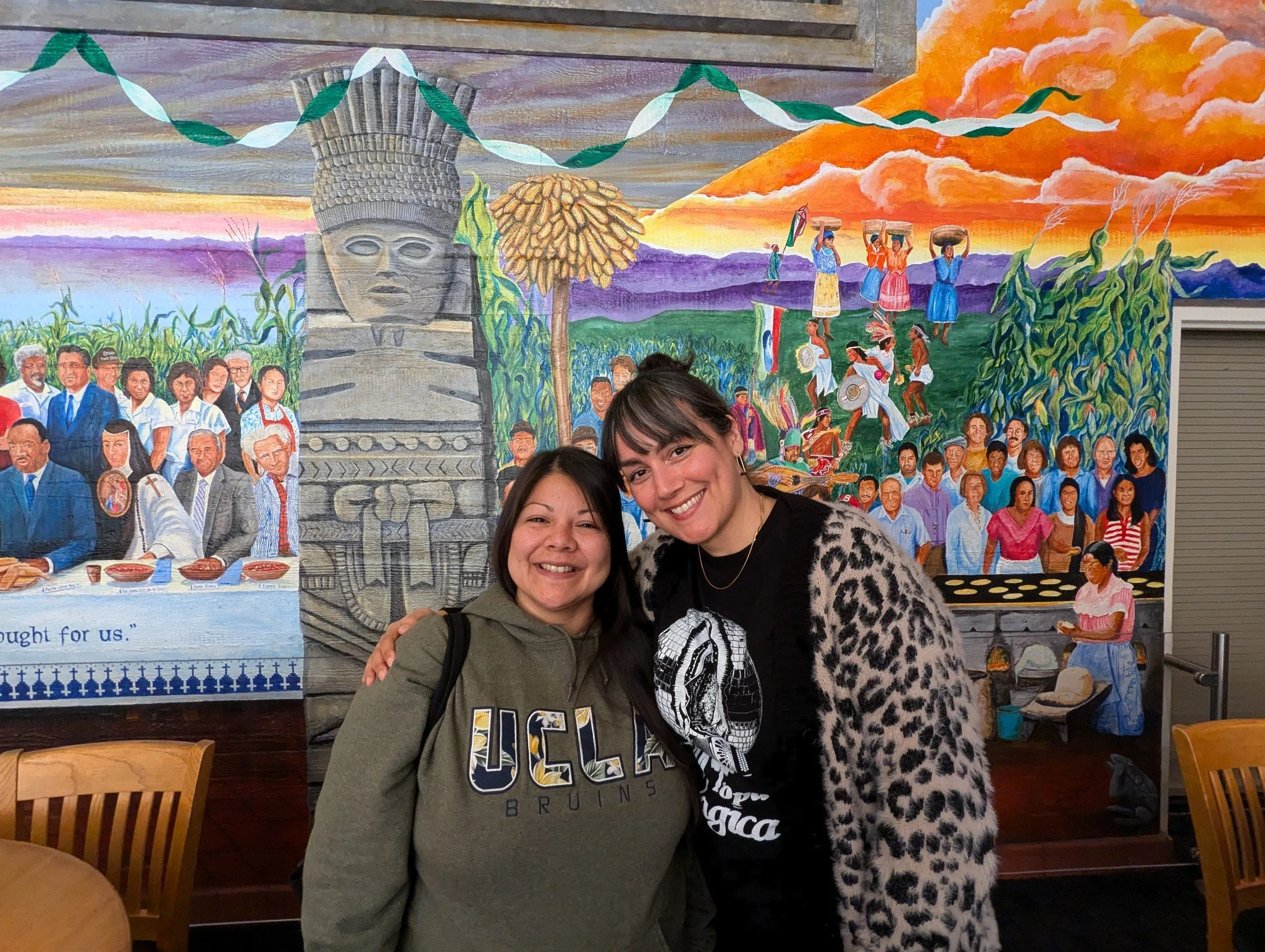
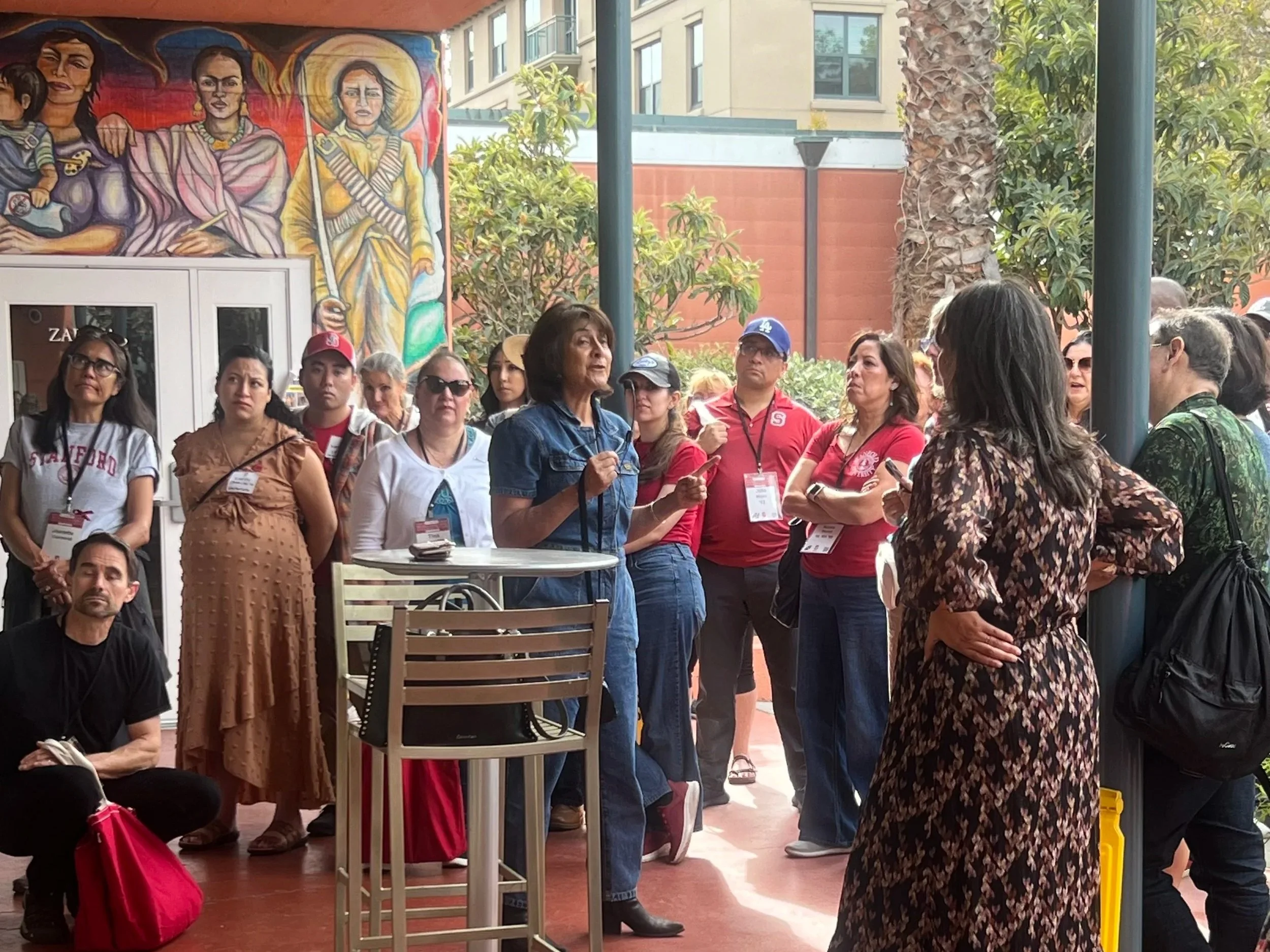
Since 1974, visiting artists, students, and staff have made over 20 large-scale paintings and murals at Stanford University. Coinciding with the first major cohorts of Chicano students, the artworks reflect the grassroots and institutional efforts to diversify the university, build community, and work in solidarity to create a fair and just world.
To recuperate this important history, Dr. Salseda developed the research project, Latinx Art Beyond Museum Walls (2023-25), and onboarded a team of students and independent scholars. Together they conducted archival research, interviewed artists and alumni, wrote informative texts, commissioned a new artwork, and made a documentary film.
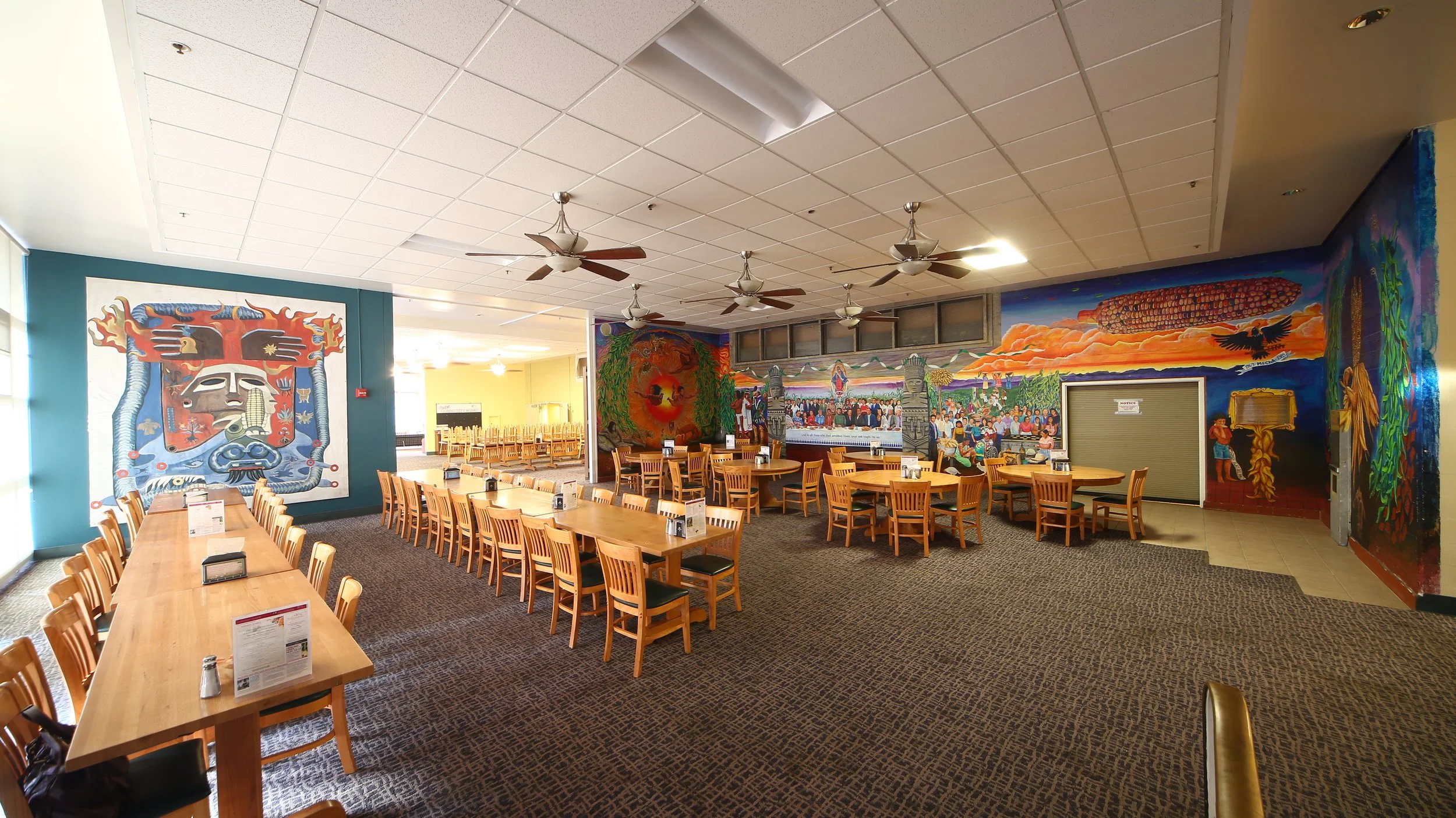
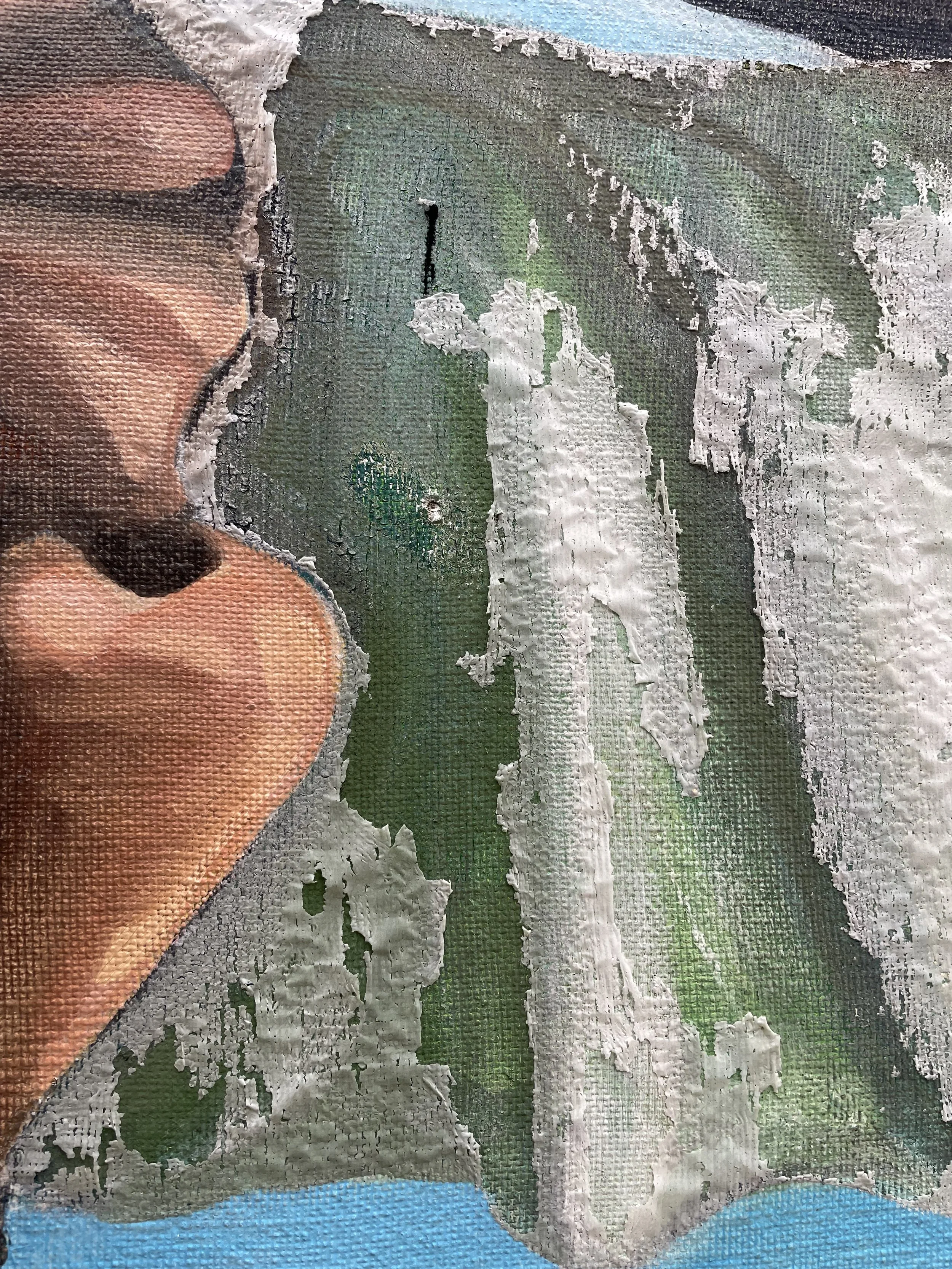
Prior to this research, in 2019-20, Dr. Salseda worked with Residential & Dining Enterprises and Gina Hernandez, a former Stanford arts administrator, to restore three murals and paintings at Stern Dining Hall. In 2025, she began collaborating with Mark Shunney, the new Public Art Manager, to restore additional campus murals.
Click on the essay and images below to learn more.
-
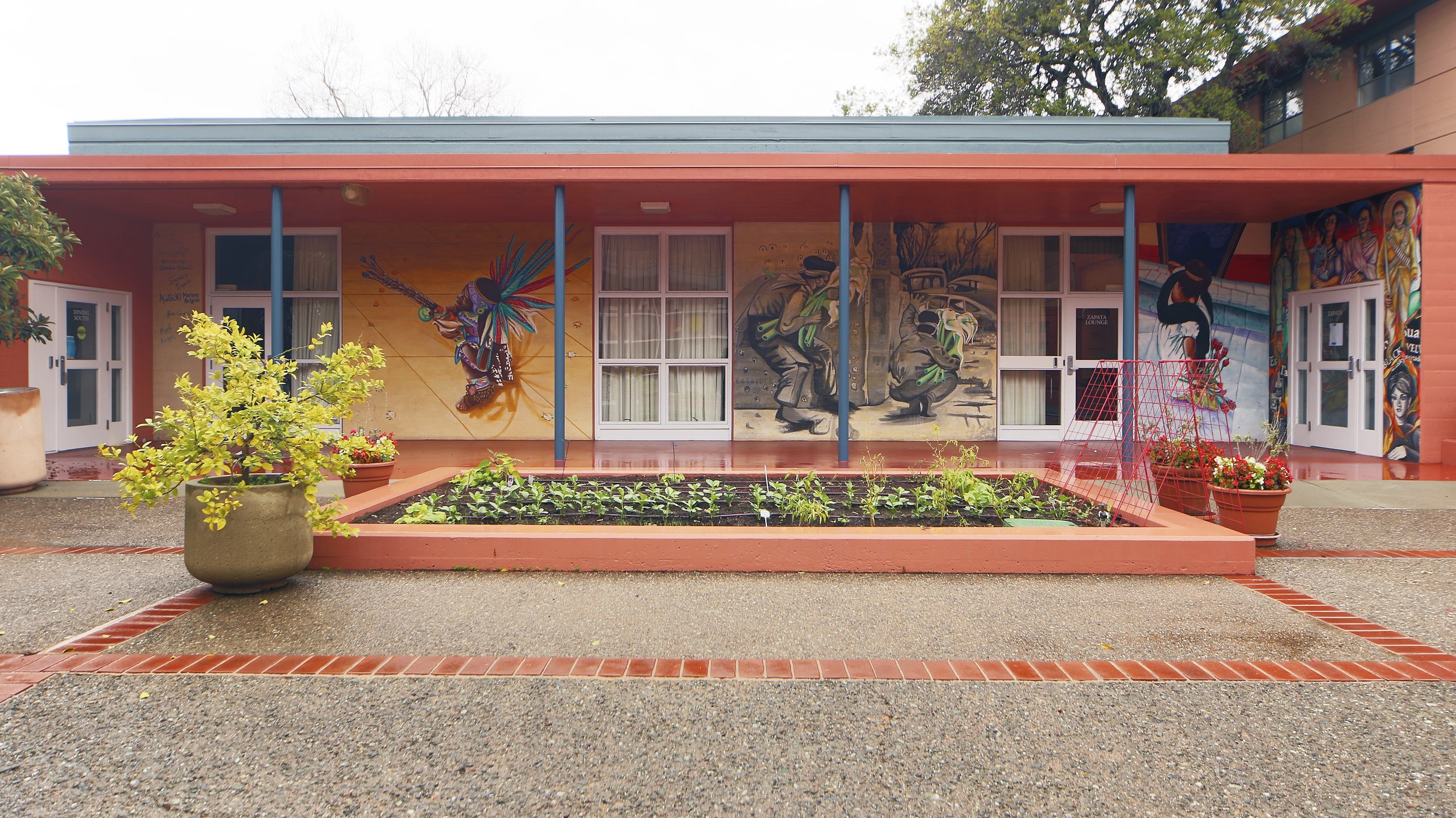
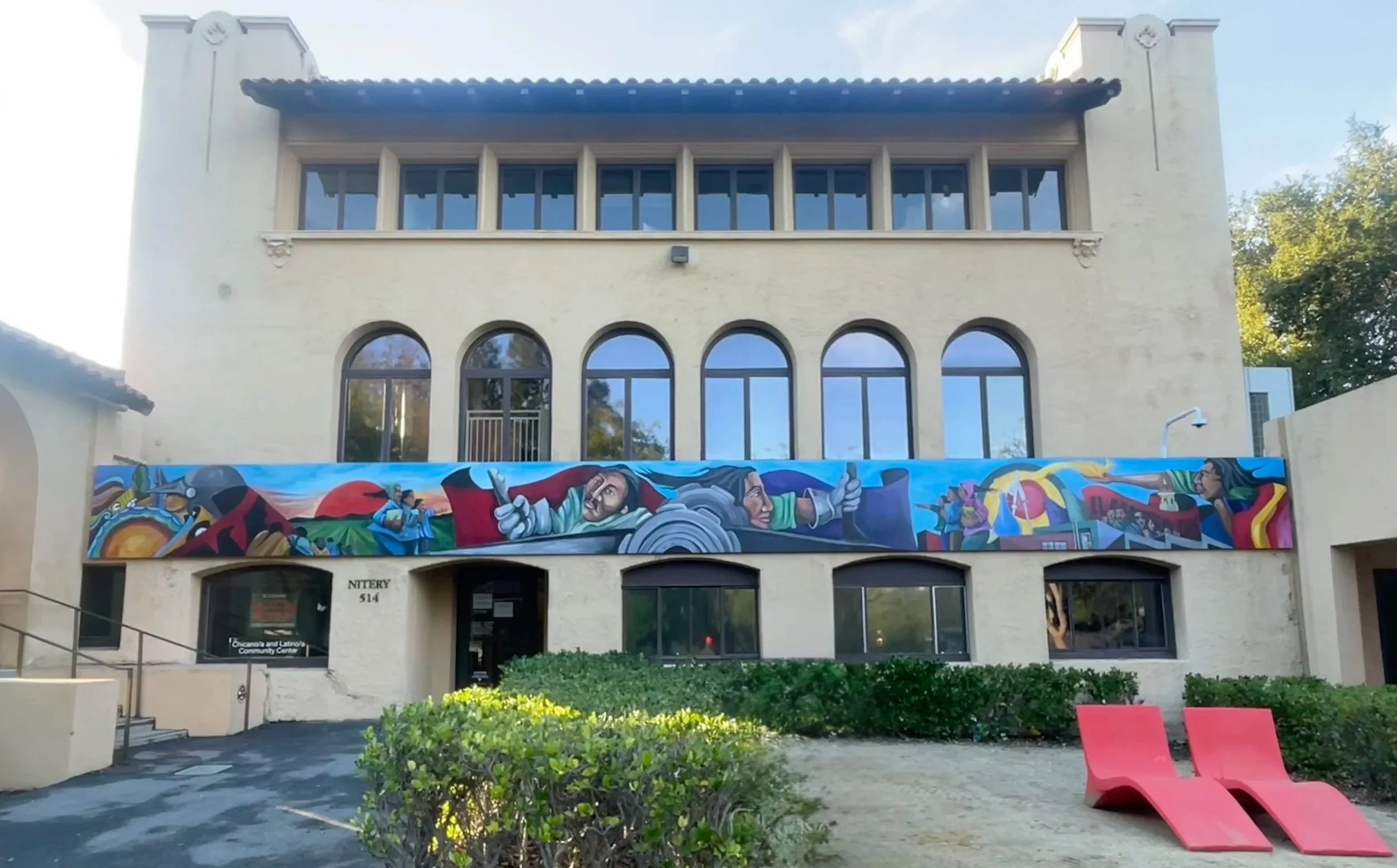
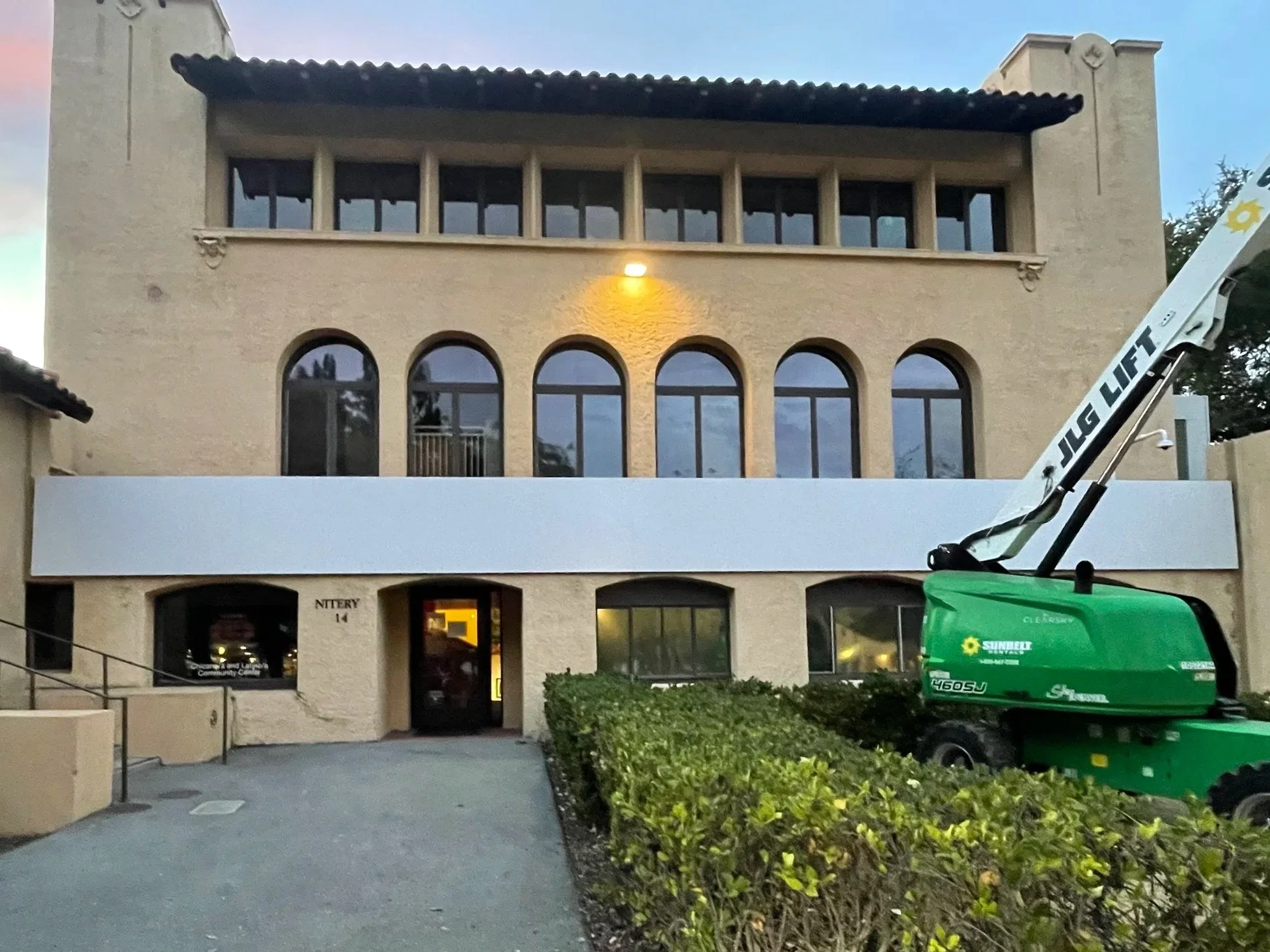
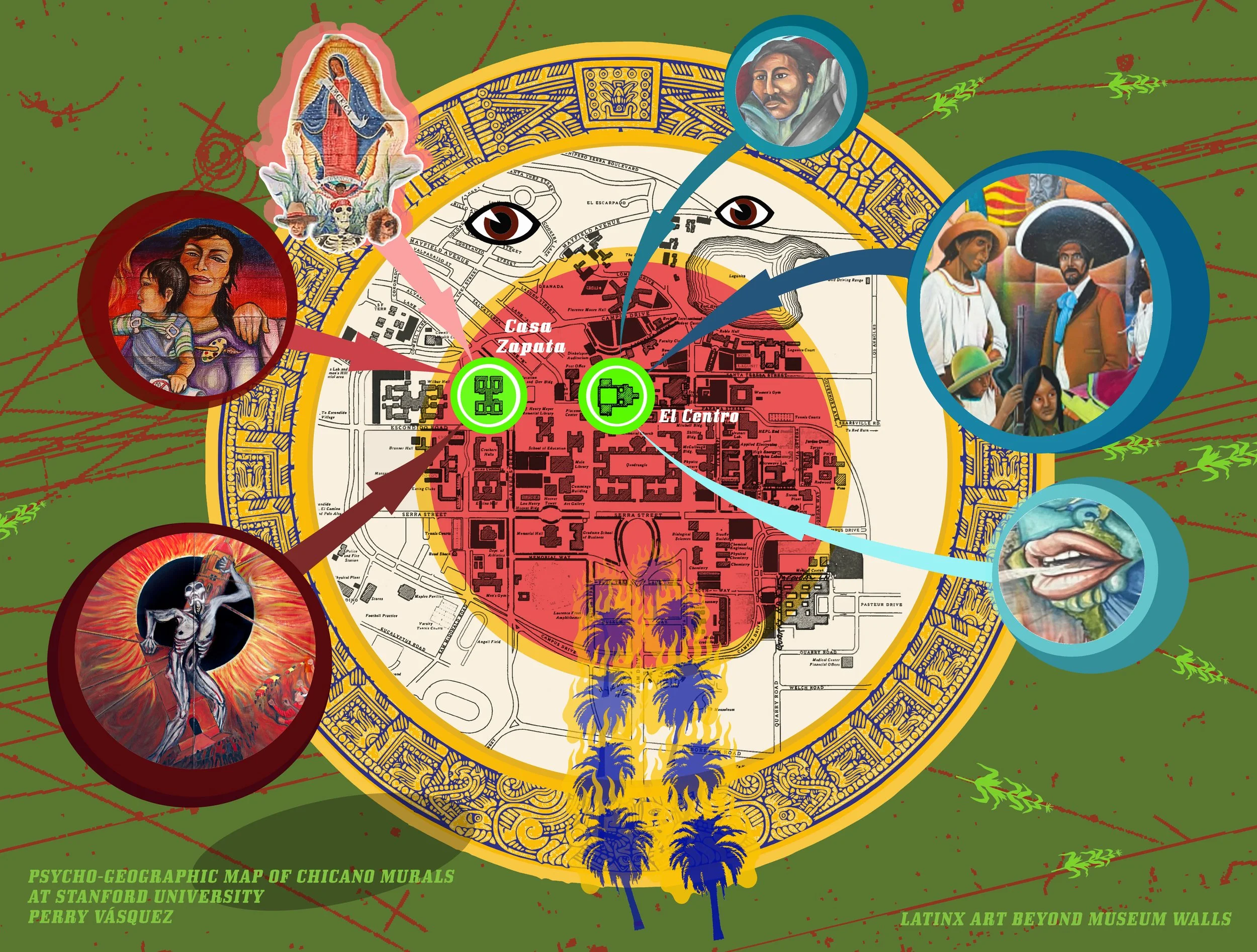
Over twenty Chicano murals exist at Stanford University. Professional artists and students painted these community engaged public artworks throughout the interior and exterior walls of Casa Zapata, Stern Dining Hall, and El Centro Chicano y Latino––and they are one of the most extensive collections of murals on any US college campus. The collection indelibly traces the development of a community: the history, culture and political commitments of Chicanos, made in alignment with the civil rights movement. Yet this treasure, created over five decades, remained largely unknown to the public and critically unexplored until now.
The mural collection remains outside of the formal public art holdings of Stanford. Chicano student and community leaders who were among the first generations to attend and work at Stanford (1969-1989) invited artists to campus and commissioned art while also caring for and maintaining the educational value of the artworks. This period coincided with the height of the Chicano movement and coincided with the movement’s efforts to diversify higher education and advocate for greater enrollment of Mexican American and Latino students at Stanford and other universities. The Stanford artworks are also notable for their strong connections to the larger Bay Area and West Coast mural legacies, linked by shared causes, mobilizations, key figures, and imagery. In fact, The campus murals consistently include the representation of farmworkers and labor issues, anti-imperialist and anti-war references, and Indigenous and pre-Columbian motifs that reference a pre-colonial period. In these respects, the mural collection at Stanford represents a visual dialogue about the origins and inclusion of Chicanos and Latinos at Stanford, institutions of higher learning generally and within art history.
Over the years, many students studied and painted under the direction and mentorship of artists, including Juana Alicia, José Antonio Burciaga, Zarco Guerrero, Malaquías Montoya, and Ray Patlán. These renowned artists led workshops sponsored by Residential Education to examine contemporary social and political issues. In other instances, emerging artists, who were often students, were commissioned to paint murals individually and/or outside of the workshop format, which expanded the collection in approach and contributed to a community-based artist residency program that continues to this day.
The essays on this website contextualize and analyze the themes, techniques, and significance of the Chicano murals at Stanford. They also include our hope of expanding the visibility and legibility of these artworks while also sharing the stories of the Chicano community. —GH
Latinx Art Beyond Museum Walls:
Rose Salseda, PhD
Gina Hernandez
Javier Arellano Vences
Lisa Li
Mural Essays Written By:
Rose Salseda, PhD
Commissioned Artwork By:
Mural Photos By:
J. Jones Photography
Henrik Kam
Rose Salseda, PhD
© 2026 Rose Salseda